
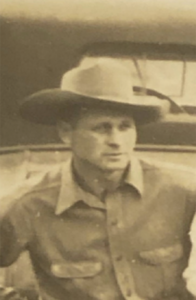
(Floyd Simpson) Leary (1912–1991)
Builder of Western Culture in British Columbia
Hap Leary played a pivotal role in shaping and sustaining Western culture in British Columbia through his
work as a cowboy, rodeo competitor, and community builder. Born in Manitoba, he moved west during the
Great Depression, working his way to British Columbia where he became a respected ranch hand and
skilled horseman, notably at the Gang Ranch and Empire Valley Ranch.
After years on the range, Hap competed in major rodeos including the Calgary Stampede and was an early
member of the Cowboy’s Protective Association (CPA), helping advance professional rodeo in Canada.
His most significant contribution came in 1946 when he settled in the Kispiox Valley. There, he mentored
local riders, broke horses, and helped establish a rodeo that brought together Indigenous and non-
Indigenous communities.
In 1947, Hap successfully secured CPA sanctioning for rodeos in Kispiox and Burns Lake, bringing
legitimacy and opportunity to northern competitors. He also helped build the physical grounds, traditions,
and volunteer spirit that continue today.
The Kispiox Valley Rodeo—now known as “The Biggest Little Rodeo in the West”—stands as his enduring
legacy, reflecting Hap Leary’s lasting impact on Western heritage, community, and sport in British Columbia.
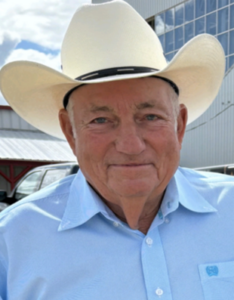
Toby Millard
Builder of Western Culture
Toby Millard (born 1944, Ashland, Oregon) is a respected rancher, rodeo competitor, stock
contractor, and mentor whose life’s work has left a lasting mark on Western culture in Northern
British Columbia. Raised on a ranch, he developed his skills early and entered his first rodeo at age
ten. After moving to Vanderhoof in 1955, he became part of a generation that didn’t just take part in
rodeo—they built it from the ground up.
While Toby found success in competition, his greatest contributions came through what he created
for others. As a stock contractor with M&M, M&K, and later TNT Bulls, he supplied rodeos across the
province with high-quality, memorable stock. Among the most legendary were the yaks he introduced
into rodeo—unpredictable, powerful animals that became part of BC rodeo folklore and a testament
to his willingness to innovate and push the sport forward.
Together with his wife Carma, Toby opened not just their home, but their lives, to young cowboys and
cowgirls. Countless athletes found guidance, encouragement, and opportunity under their roof—
several going on to become Champions throughout North America.
Toby Millard’s legacy lives on in the champions he helped shape, the stories still told, and the strong,
enduring community he helped build.